



How to Choose an Electric Pallet Truck for Your Warehouse
Choosing the right electric pallet truck can significantly improve warehouse efficiency, reduce labor costs, and enhance workplace safety. However, with so many models available on the market, selecting the most suitable one for your operation can be challenging.
In this guide, we will explain the key factors to consider before purchasing an electric pallet truck and help you find the right solution for your warehouse.
1. Consider Your Load Capacity Requirements
The first factor to consider is load capacity.
Most electric pallet trucks are available in capacities ranging from 1.5 tons to 3 tons. Before choosing a model, calculate the average and maximum weight of the loads you handle daily.
For example:
- Small warehouses: 1.5-ton models may be sufficient.
- Medium distribution centers: 2.0-ton models are commonly used.
- Heavy-duty operations: 2.5-ton or 3.0-ton models are recommended.
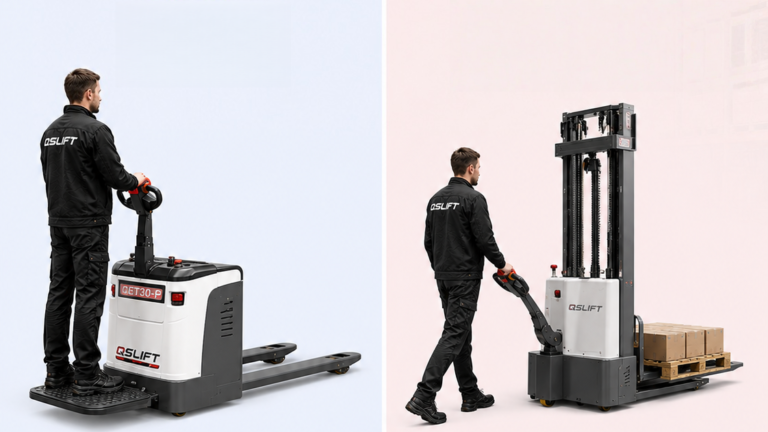
For businesses handling standard palletized goods, the EPT15 electric pallet truck is an ideal solution for daily warehouse operations.
2. Evaluate Your Working Environment
The operating environment plays an important role in equipment selection.
Consider the following:
- Warehouse size
- Aisle width
- Floor conditions
- Ramp usage
If your warehouse has narrow aisles and limited maneuvering space, a compact electric pallet truck can improve productivity and reduce operator fatigue.
Explore our complete electric pallet truck range to find models suitable for different warehouse layouts.
3. Choose the Right Battery Type
Battery technology directly affects operating efficiency and maintenance costs.
Lithium Battery
Advantages:
- Fast charging
- Maintenance-free
- Longer service life
- Opportunity charging available
Lead-Acid Battery
Advantages:
- Lower initial investment
- Suitable for lighter-duty applications
Today, many warehouses are switching to lithium-powered electric pallet trucks because of their lower long-term operating costs.
4. Check the Required Lifting and Travel Performance
Different operations require different performance levels.
Consider:
- Travel speed
- Lifting speed
- Daily working hours
- Number of shifts
For intensive warehouse operations, a heavy-duty model such as the QET30P can provide higher productivity and longer operating time.
5. Consider Maintenance and After-Sales Support
When purchasing material handling equipment, it is important to evaluate:
- Spare parts availability
- Warranty coverage
- Technical support
- Service response time
Reliable after-sales support can reduce downtime and maximize equipment lifespan.
6. Compare Total Cost of Ownership
Many buyers focus only on the purchase price. However, the total cost of ownership includes:
- Energy consumption
- Maintenance costs
- Battery replacement
- Downtime expenses
A slightly higher-quality electric pallet truck often delivers better long-term value.
Conclusion
Choosing the right electric pallet truck depends on your load capacity, warehouse layout, battery preference, and operational requirements.
Whether you operate a small warehouse or a large distribution center, selecting the appropriate equipment can improve efficiency and reduce operating costs.
Browse our complete electric pallet truck solutions or contact our team for professional recommendations.
Discover more dealer-friendly insights to boost your forklift business from our extra guides: