A megfelelő kereskedői demógépek kiválasztása az egyik legfontosabb döntés az új anyagmozgató berendezések piacára való belépéskor. A jól megválasztott demóflotta segít az ügyfeleknek megérteni, hogyan fog teljesíteni a berendezés a saját műveleteik során. A rosszul kiválasztott tőkét köthet le olyan gépekben, amelyek lenyűgözően néznek ki, de nem felelnek meg a helyi keresletnek. A cél nem a lehető legnagyobb termékválasztás bemutatása. Hanem egy olyan fókuszált kiválasztással kezdeni, amely tükrözi a helyi ügyfelek költségvetését, a raktári feltételeket és a mindennapi anyagmozgat
Kezdje a valós ügyféligényből / Indulj ki a valós vásárlói igényből
A modellek kiválasztása előtt a kereskedőknek azonosítaniuk kell azokat az alkalmazásokat, amelyekkel a legnagyobb valószínűséggel találkoznak:
- Milyen raklapsúlyokat kezelnek általában a helyi ügyfelek?
- Főként vízszintes szállításra vagy raklapok egymásra rakására van szükségük?
- Milyen emelési magasságok szokásosak / Milyen emelési magasságra van általában szükség
- A helyi raktáraknak szűk folyosóik vagy alacsony bejárataik vannak?
- Mennyire árérzékenyek a vásárlók a kezdeti beszerzési ár tekintetében?
- Czy sprzęt jest używany okazjonalnie, czy w sposób ciągły przez cały dzień?
Az első bemutatógépeknek a legnépesebb reális vevőcsoport igényeit kell tükrözniük — nem pedig az összes lehetséges alkalmazást.
Elektromos Békák (Krokodilok): Praktikus Kiindulópont
Az elektromos raklapemelő gyakran az egyik leghasznosabb első bemutatógép, mivel a vízszintes raklapszállítás elengedhetetlen a gyártásban, a logisztikában, a kiskereskedelemben, a nagykereskedelemben és az általános raktározásban.
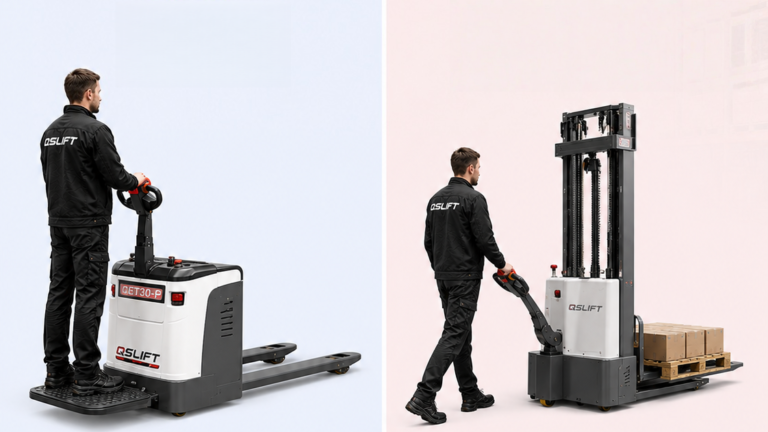
A QSLIFT EPT15-ös modell, 1,5 tonnás teherbírásával, alkalmas a könnyebb raktározási és elosztási feladatokhoz. Könnyen elérhető fejlesztési lehetőséget biztosít azoknak az ügyfeleknek, akik kézi raklapemelőkről váltanak gépesített anyagmozgató berendezésekre.
Ahol a 2 tonnás teherbírás a gyakrabban igényelt, a QSLIFT Ept20 szélesebb körű alkalmazási lefedettséget biztosít, miközben elég kompakt marad a kisebb raktárakhoz és rakodóterületekhez is.
A kereskedők ezeket a modelleket a következőkre használhatják bemutatóként:
- Motorizált raklapmozgatás
- Manőverezés szűk helyeken
- Alacsony sebességű vezérlés
- A lítium akkumulátor kényelme
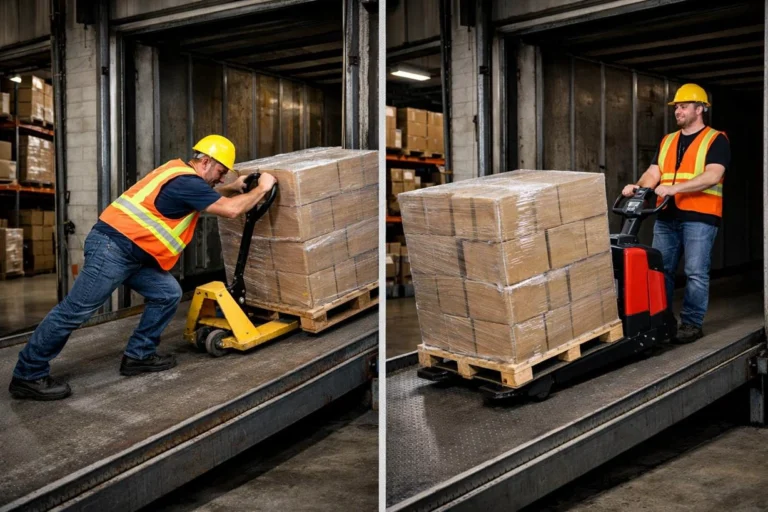
- A termelékenységi különbség a kézi és az elektromos anyagmozgatás között
Egy új kereskedőnek nem feltétlenül van szüksége mindkét modellre. Az EPT15 és az EPT20 közötti választásnak a helyi piacon leggyakrabban kezelt raklapsúlyokon kell alapulnia.
Elektromos stackerek: A teherbírás és az emelési magasság igazítása a piachoz
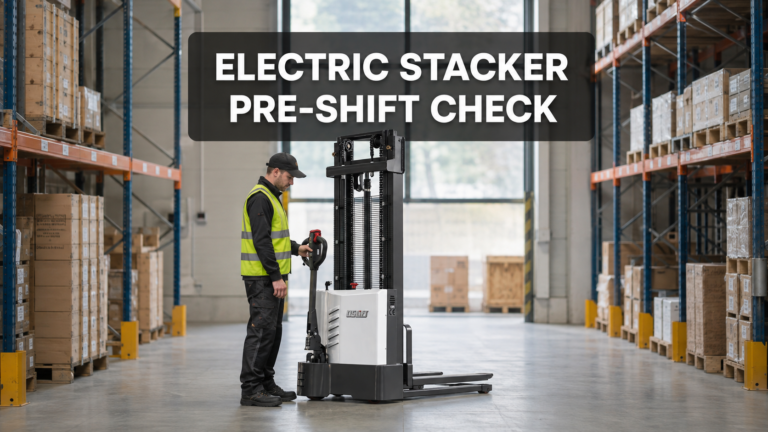
A stacker kiválasztása nagyobb figyelmet igényel, mivel a teherbírás, az emelési magasság és az összezárt oszlopmagasság egyaránt befolyásolja, hogy egy gép alkalmas-e egy adott raktárba.
For lighter and price-sensitive applications, the QES10E provides a practical entry point. It is suitable for customers that need electric pallet lifting and stacking without investing in a larger, higher-capacity machine.
Where customers regularly handle heavier loads, the QES20E offers a more appropriate solution. However, dealers should select it because the local market requires the additional capacity—not simply because a larger specification appears more impressive.
Mast configuration is equally important. A machine may provide the required lift height but still be unable to enter a warehouse if its closed mast is too high.
For this reason, the dealer should consider both the working height inside the warehouse and the height of entrances, doors and other access points.
What We Have Learned from the Serbian Market
Serbia provides a practical example of how local market conditions should influence the choice of demonstration machines.
Many Serbian small and medium-sized businesses are highly price-sensitive. They need reliable warehouse equipment, but their daily operations do not always require the capacity or performance level designed for large logistics centres.
For these customers, a compact model such as the QES10E can be more commercially relevant than a higher-capacity stacker. It covers routine pallet stacking while keeping the investment at a level that is more realistic for smaller businesses.
Warehouse access is another important consideration. Many local warehouses have relatively low entrances. A standard stacker may be able to reach the required storage height but may not be able to pass through the entrance with its mast lowered.
The low-mast QES10E-20 is particularly relevant in these situations. With its more compact mast configuration, it is better suited to warehouses where entrance height is a more important restriction than maximum lifting height.
This demonstrates an important principle: the best demo machine is not always the one with the highest specification. It is the one that solves a common local problem.
A Recommended First Demonstration Package
Expand the Fleet Using Customer Feedback
In most markets, a focused package with two core machines is enough to cover the most common warehouse applications. A third model can then be added according to the dealer’s target customers and sales strategy.
1. One Walk-Behind Electric Pallet Truck
The first machine should normally be an EPT15 vagy EPT20.
The EPT15 is suitable for customers with lighter handling requirements and provides an accessible upgrade from manual pallet handling. The EPT20 offers 2.0-tonne capacity and may provide broader coverage where heavier pallets are common.
2. One Pedestrian Electric Stacker
The second core machine should represent the capacity and warehouse conditions most commonly found in the local market.
QSLIFT offers three practical capacity options with a 2.0-metre lift height:
The QES10E-20 is suitable for lighter and more price-sensitive applications. The QES15E-20 provides a balanced middle option for dealers serving a wider range of small and medium-sized businesses. The QES20E-20 is more appropriate where customers regularly handle heavier pallets or require 2.0-tonne capacity.
The compact mast configuration of these 2.0-metre models is also relevant in markets where warehouse entrances are relatively low.
3. An Optional Model Based on the Dealer’s Sales Strategy
Dealers that regularly conduct demonstrations at customer locations may consider the SES15 önemelő magasemelő as an additional demo machine.
Its self-lifting design allows the machine to load itself into and out of a suitable delivery vehicle, reducing dependence on a forklift or loading dock. This makes it particularly useful for mobile demonstrations, deliveries and customers that need to transport the stacker between locations.
Expand the Fleet When Demand Becomes Clear
Higher-lift and ride-on models should normally be added after the dealer has identified consistent local demand.
Possible next additions include:
This step-by-step approach gives the dealer enough equipment to demonstrate core applications while avoiding unnecessary investment in models that may not match the local market.
The first demonstration machines should help the dealer understand the market as well as generate sales.
After customer visits and product trials, dealers can review:
- Whether the EPT15 or EPT20 receives more enquiries
- Whether customers require the QES10E or the higher-capacity QES20E
- How frequently low entrance height affects stacker selection
- Which lifting heights customers request most often
- Which demonstrations lead to quotations and orders
- Which models may justify keeping in local stock
Future purchases can then be based on actual customer demand rather than assumptions.
Planning Your First Demonstration Fleet?
Contact QSLIFT to discuss your target customers, local warehouse conditions and suitable demonstration models.